- Alliances
Shared Stake, Shared Outcome
Anudip prepares India’s youth for a market-aligned workforce with the support of partners across industry, government, and civil society. Corporates define hiring criteria. Government departments and policy makers help update the system. Educational and social organizations provide grassroots access and trust. With an alliance, we formalize this exchange, giving each partner a defined stake in the same outcome.


Who is an Alliance?
Corporates
Organisations that work with Anudip to align learning programmes with industry requirements, contribute to curriculum development, provide industry exposure and create pathways to employment for trained candidates.
Government & Policy Makers
Government departments and local administrative bodies help us integrate learning programmes into existing public systems, strengthen skilling infrastructure, mobilise communities, and extend access to employment and livelihood opportunities across semi-urban and rural areas.
Educational Institutions
Government schools, colleges and polytechnic institutions, particularly in Tier 2 and Tier 3 cities, that partner with Anudip to strengthen educational infrastructure and resources through practical STEM labs, teacher capacity-building and pathways to further learning and employment.
Social Organizations
We partner with NGOs, grassroots organisations and civil society institutions to extend technology-led learning to combine local networks and community trust with Anudip’s technology-led programmes, industry-aligned learning resources and delivery capabilities.
How an Alliance Works
Every alliance moves through four stages, adapted to the partner.
Co-design
Employers share live hiring trends and sit with Anudip faculty to review the curriculum line by line, a cycle that repeats continuously through the alliance.
Agreement
The MoU names a joint governing body for oversight and each alliance sets a similar term and review cadence of its own.
Delivery
Training is scheduled in alignment with the partner’s academic calendar and operational requirements, and delivered either at Anudip centres or through the partner’s infrastructure.
Outcome tracking
Every learner is tracked through Anudip’s CMIS from enrolment to 3 months post-placement, scored against a retention framework built for each partner.
Our alliance partners
- Government partnerships
Hiring for the AI Era: The AI Skills Employers Want and Who Builds Them
- By Shubhodeb Bhattacharya
In 2020, during the fifth semester of her BCA programme at a government college in Telangana's Rangareddy district, Ayesha Samereen reached an uncomfortable conclusion: a degree alone would not get her a job. The daughter of a driver, she had earned a free seat on merit because a private college was beyond her family's means.
She enrolled in a placement-focused skilling course run at her college. Out of 86 students in her batch, she was selected for a role before completing her final semester. What began as an accounting course has since grown into a career as a software developer, building applications.
The challenge she faced has only sharpened since. As AI reshapes entry-level work, employers are looking past qualifications, and even past familiarity with AI tools, towards something harder to certify: the judgement to use those tools well and the capacity to keep learning as they change.
This blog examines the AI skills employers want in India, why no single institution can build them alone and how skilling partnerships between government, industry, educational institutions, social organisations and donors can close this gap.
The AI skills employers want from India's freshers
So what does that judgement involve? Global employer surveys, including the World Economic Forum's Future of Jobs Report 2025, rank AI and big data among the fastest-growing skills, while placing analytical thinking at the top of the core skills employers seek.
For entry-level hiring in India, that combination translates into the five practical capabilities described below:
Verification and judgement: Recognising when an AI output is inaccurate, incomplete or inappropriate, and checking it against a reliable source
Clear problem framing: Instructing an AI tool well is an exercise in communication, requiring a defined task, context and expected result
Responsible data handling: Understanding what information should not be shared with external tools and why
Adaptability: Learning new tools quickly as workflows change, rather than depending on a single platform
Human skills that AI amplifies: Empathy, collaboration and the ability to explain a decision, all of which grow in value as routine tasks are automated
Taken together, these are better described as 21st-century skills than as narrowly technical ones. They overlap closely with what recruiters already call employability skills, which is why AI readiness is difficult to demonstrate through a certificate alone.
Why no single actor can close the gap
If a certificate cannot prove these skills, they have to be built before a young person applies for a job. A hiring process can spot who lacks them, but it cannot develop them, and by the interview stage the time to build them has largely passed.
Building these skills also takes more than one institution, because each one controls only part of a young person's journey into work:
Employers know what the job needs, but they do not run classrooms
Government shapes the education system and funds programmes, but it needs employers' input to keep them relevant
Colleges and training institutions run classrooms, but they do not always know what employers need
Community organisations can reach young people from low-income and first-generation families, but they need links to employers to turn training into jobs
Donors fund training for the young people who are hardest to reach, but they rely on the other partners to turn that funding into effective youth skilling routes
When any one of these works alone, a gap appears somewhere along that journey.
This is why youth skilling partnerships matter. In a partnership, each group agrees on what it will contribute, and all of them work towards the same goal: young people who are ready for work and go on to find jobs. The next section looks at each partner's role in turn.
What each partner holds in a youth skilling partnership
A well-structured public private partnership in skilling gives each participant a defined role.
Five groups carry the most weight:
Corporates
Employers hold the clearest view of what entry-level roles demand. They can define hiring criteria, share how AI is changing daily tasks, review curricula and open internship and recruitment pathways.
Government and policymakers
Public bodies can integrate AI literacy into existing education and skilling systems, set assessment standards that recognise judgement and responsible use rather than tool familiarity alone, and extend programmes to semi-urban and rural areas that private initiatives rarely reach at scale.
Educational institutions
Schools, colleges and polytechnics, particularly in Tier 2 and Tier 3 cities, are where most young people first encounter structured learning. Embedding AI literacy across disciplines rather than as a standalone module and equipping faculty to teach through practice are the changes with the widest reach.
Social organisations
NGOs and community institutions provide what formal systems often lack: trust and access. They reach first-generation learners, address family hesitation about training, and sustain engagement through to employment.
Donors
Foundations, CSR funders and individual donors make it possible to reach learners the market alone rarely serves: first-generation learners, women entering work for the first time, differently-abled youth, and students in non-metro schools and colleges. Beyond funding, they help set measurable outcomes and stay engaged through reporting and site visits.
What building judgement looks like in a classroom
All five partners matter, but the skills themselves take shape in one place: the classroom, where these partnerships finally reach the learner. Judgement is built there through practice rather than instruction. In classrooms designed for this, the facilitator presents a real workplace problem, learners work through it with peers and AI tools, and the facilitator then steps back so learners reach and defend their own answers. Learners are expected to test every AI response against evidence, and mock interviews and workplace visits then help them carry that judgement into their first job.
This is what every day looks like at the skilling centres of Anudip Foundation. Since 2007, that work has added up to:
7,30,000+ young people trained, over half of them women
90+ training centres across 22 Indian states
400+ recruitment partners
A 70% placement rate, with over 100 job drives held
each year
By building learning agility, Anudip prepares learners for today’s jobs and for those still to come.
Behind those numbers are journeys like Ayesha’s. She joined the skilling course on her college campus in 2020 with a degree in progress but no clear route to a job. The biggest change, she says, was in how she saw herself: the training taught her “to see myself as employable.” That confidence has since grown into the learning agility described above: years on, she still upskills roughly every six months because, as she puts it, “standing still is its own kind of quitting.”
From one learner to a pipeline
That is exactly the journey Ayesha has made. Today, she works as a developer at a multinational IT company. A government college gave her a seat on merit, a skilling program delivered on that campus built her readiness and an employer recognised it.
Her story is one example; repeating it for thousands of young people depends on these contributions being coordinated rather than left to chance. Anudip Foundation formalises this through alliances with corporates, government bodies, educational institutions and social organisations, built around curricula co-designed with employers, defined agreements, delivery and outcome tracking.
Employers seeking entry-level candidates prepared to work alongside AI can find candidate pools and hiring formats on the recruiters page. Donors can find the causes this work supports and how funded projects are structured on the donors page.
The question for India's skilling ecosystem is no longer whether freshers need AI skills. It is whether the institutions that shape them will build those skills together and early enough to matter.
Build the future-ready workforce with us
Ayesha’s journey took more than one partner, and so will the next young person’s. Tell us where you fit, and our team will help you take the first step together.
Start the conversation →
Frequently asked questions
1. What AI skills do employers want in India from freshers?
Beyond basic familiarity with AI tools, employers look for the ability to verify AI outputs, frame problems clearly, handle data responsibly, adapt to new tools, and apply human skills such as communication and collaboration.
2. Do freshers need to know coding to be AI-ready?
Not for most entry-level roles. Many positions in customer service, operations and business support require the judgement to use AI tools well rather than the ability to build them. Technical roles will, of course, expect programming knowledge in addition.
3. What is a public private partnership in skilling?
It is a structured collaboration in which government bodies, private employers and often educational institutions, community organisations and donors share responsibility for training young people and connecting them to employment, with each partner contributing defined resources or roles.
4. How can employers take part in youth skilling in India?
Employers can share role requirements, contribute to curriculum review, offer internships or industry visits, participate in placement drives, and provide feedback on how new hires perform.
5. How can donors support youth skilling in India?
Donors can fund programmes for groups the job market rarely reaches on its own, such as first-generation learners, women from marginalised communities, differently-abled youth and students in non-metro institutions. They can then stay engaged through agreed milestones, regular reporting and site visits.
6. Why are 21st-century skills important for employability?
As AI takes on routine tasks, the work left to people relies more heavily on critical thinking, adaptability, communication and problem-solving. These skills determine how well a new employee can learn, adjust and contribute as their role changes.
- Government partnerships
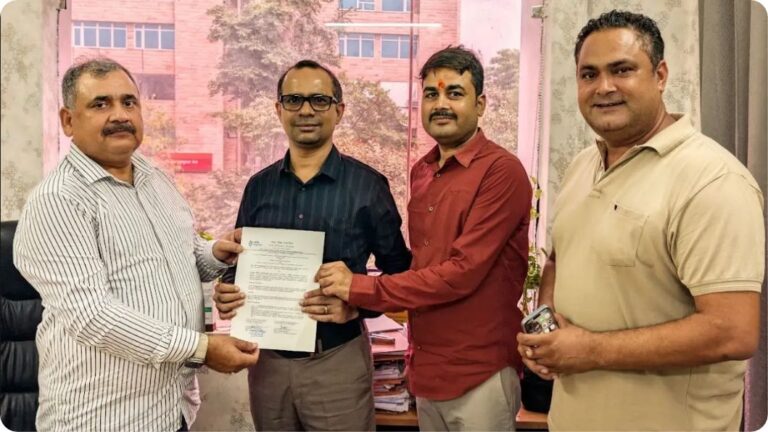
𝗦𝗮𝗺𝗮𝗴𝗿𝗮 𝗦𝗵𝗶𝗸𝘀𝗵𝗮 – 𝗨𝘁𝘁𝗮𝗿 𝗣𝗿𝗮𝗱𝗲𝘀𝗵
Anudip Foundation has signed a Letter of Engagement with S𝗲𝗰𝗼𝗻𝗱𝗮𝗿𝘆 𝗘𝗱𝘂𝗰𝗮𝘁𝗶𝗼𝗻 𝗗𝗲𝗽𝗮𝗿𝘁𝗺𝗲𝗻𝘁, (𝗦𝗮𝗺𝗮𝗴𝗿𝗮 𝗦𝗵𝗶𝗸𝘀𝗵𝗮) – 𝗨𝘁𝘁𝗮𝗿 𝗣𝗿𝗮𝗱𝗲𝘀𝗵, expanding the reach of the 𝗠𝗶𝗰𝗿𝗼𝘀𝗼𝗳𝘁-𝘀𝘂𝗽𝗽𝗼𝗿𝘁𝗲𝗱 𝗨𝗣 𝗘𝗱𝘂𝗰𝗮𝘁𝗼𝗿 𝗖𝗮𝘁𝗮𝗹𝘆𝘀𝘁 𝗣𝗿𝗼𝗷𝗲𝗰𝘁, part of 𝗠𝗶𝗰𝗿𝗼𝘀𝗼𝗳𝘁 𝗘𝗹𝗲𝘃𝗮𝘁𝗲 𝗳𝗼𝗿 𝗘𝗱𝘂𝗰𝗮𝘁𝗼𝗿𝘀, across Gorakhpur and Prayagraj.
The Letter of Engagement was signed by 𝗦𝗵𝗿𝗶 𝗩𝗶𝘀𝗵𝗻𝘂 𝗞𝗮𝗻𝘁 𝗣𝗮𝗻𝗱𝗲𝘆, 𝗔𝗱𝗱𝗶𝘁𝗶𝗼𝗻𝗮𝗹 𝗦𝘁𝗮𝘁𝗲 𝗣𝗿𝗼𝗷𝗲𝗰𝘁 𝗗𝗶𝗿𝗲𝗰𝘁𝗼𝗿, 𝗦𝗮𝗺𝗮𝗴𝗿𝗮 𝗦𝗵𝗶𝗸𝘀𝗵𝗮 (𝗦𝗲𝗰𝗼𝗻𝗱𝗮𝗿𝘆 𝗘𝗱𝘂𝗰𝗮𝘁𝗶𝗼𝗻 𝗗𝗲𝗽𝗮𝗿𝘁𝗺𝗲𝗻𝘁). Through this partnership, 𝘄𝗲 𝗮𝗶𝗺 𝘁𝗼 𝗲𝗺𝗽𝗼𝘄𝗲𝗿 𝟭𝟱,𝟬𝟬𝟬+ 𝗴𝗼𝘃𝗲𝗿𝗻𝗺𝗲𝗻𝘁 𝘀𝗰𝗵𝗼𝗼𝗹 𝘁𝗲𝗮𝗰𝗵𝗲𝗿𝘀 𝗳𝗿𝗼𝗺 𝗖𝗹𝗮𝘀𝘀𝗲𝘀 𝟵–𝟭𝟮 with the knowledge and capabilities to embrace AI-enabled teaching and prepare classrooms for the future.
𝗦𝘁𝗿𝗲𝗻𝗴𝘁𝗵𝗲𝗻𝗶𝗻𝗴 𝗲𝗱𝘂𝗰𝗮𝘁𝗼𝗿𝘀. 𝗘𝗻𝗮𝗯𝗹𝗶𝗻𝗴 𝗔𝗜-𝗿𝗲𝗮𝗱𝘆 𝗰𝗹𝗮𝘀𝘀𝗿𝗼𝗼𝗺𝘀. 𝗦𝗵𝗮𝗽𝗶𝗻𝗴 𝘁𝗵𝗲 𝗳𝘂𝘁𝘂𝗿𝗲 𝗼𝗳 𝗹𝗲𝗮𝗿𝗻𝗶𝗻𝗴.
- Government partnerships
- Madhya Pradesh
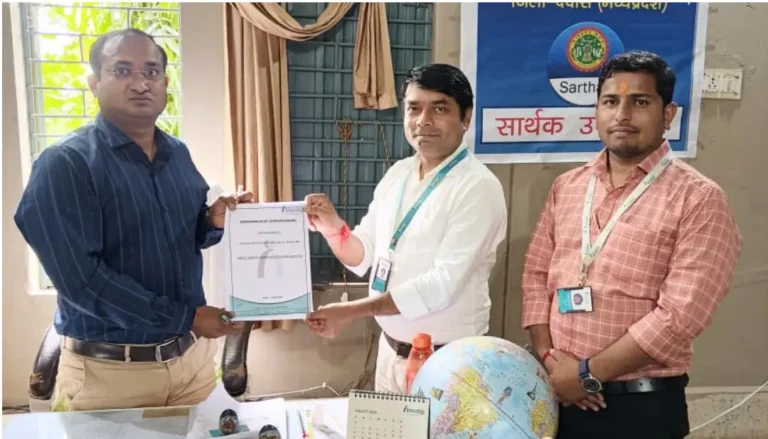
Govt. Degree Colleges in Khategaon & Kannod
We signed an MoU with the Government Degree Colleges in Khategaon and Kannod to launch the IBM SkillsBuild Program.
Through this partnership, more than 2,000 rural students will gain certifications and improved livelihood opportunities this year.
- Government partnerships
- Punjab
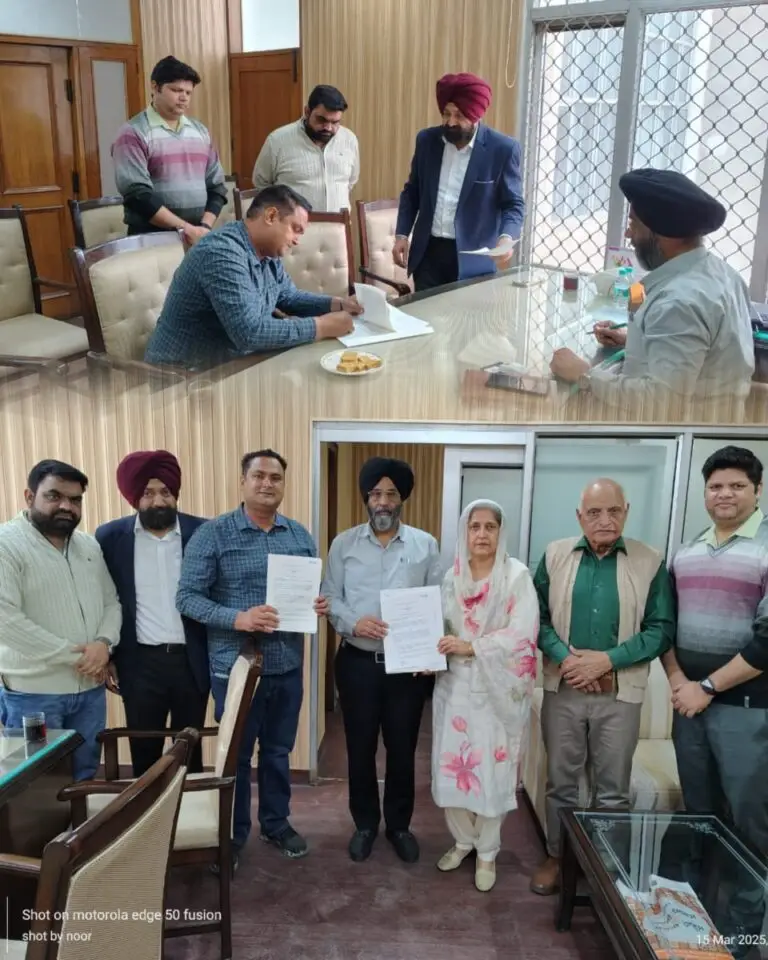
Directorate of Education, Shiromani Gurdwara Parbandhak Committee
We are delighted to announce a partnership with the Directorate of Education, Shiromani Gurdwara Parbandhak Committee (SGPC) to empower students across 30 colleges over the next five years.
Through this collaboration, we aim to equip students with essential skills and create impactful career opportunities for the future.
- Government partnerships
- Jammu & Kashmir
Govt. Degree College Baramulla
Anudip Foundation partners with Govt. Degree College Baramulla to train 1000 youth in AI, Web Development and Cybersecurity through IBM Skill build platform with advanced training in Power BI, Excel, and more, these students will also receive dedicated placement support from Anudip, helping them secure brighter futures.
- Government partnerships
- Meghalaya
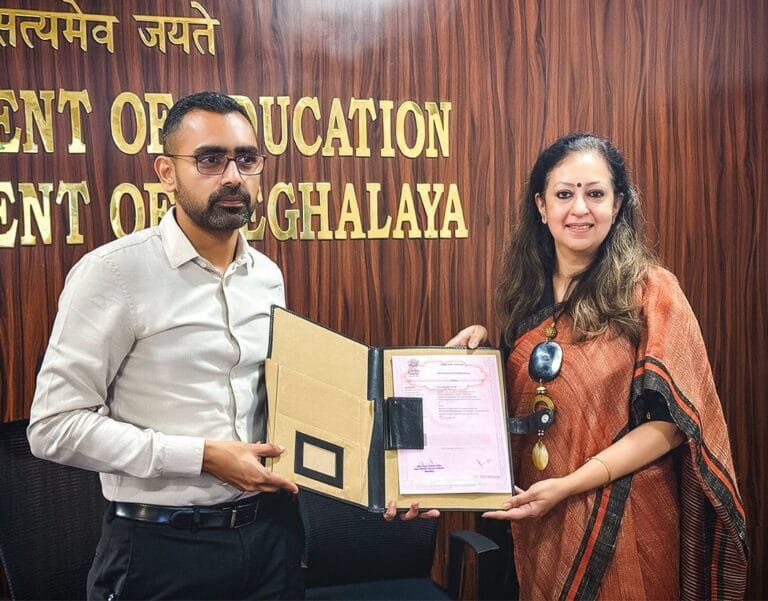
Education Department, Government of Meghalaya
We are delighted to announce the signing of an MoU with the Education Department, Government of Meghalaya, under Samagra Shiksha on 4 September 2024 at the Education Department of Meghalaya. This partnership marks a step towards empowering secondary and senior secondary students across Meghalaya with 21st-century skills, with a focus on science education.
The signing ceremony was graced by Shri Swapnil Tembe, IAS, Director of School Education & Literacy and State Project Director, Samagra Shiksha; Monisha Banerjee, CEO of Anudip Foundation; Shri Andrew Warjri, Deputy State Project Director of Samagra Shiksha; and other distinguished officials from both organisations.
Through this partnership, we aim to equip students with future-ready skills and spark a deep interest in STEM fields, particularly encouraging girls to pursue careers in these critical areas. Together, we are shaping a brighter future for the youth of Meghalaya!
- Educational Institutions
Hiring for the AI Era: The AI Skills Employers Want and Who Builds Them
- By Shubhodeb Bhattacharya
In 2020, during the fifth semester of her BCA programme at a government college in Telangana's Rangareddy district, Ayesha Samereen reached an uncomfortable conclusion: a degree alone would not get her a job. The daughter of a driver, she had earned a free seat on merit because a private college was beyond her family's means.
She enrolled in a placement-focused skilling course run at her college. Out of 86 students in her batch, she was selected for a role before completing her final semester. What began as an accounting course has since grown into a career as a software developer, building applications.
The challenge she faced has only sharpened since. As AI reshapes entry-level work, employers are looking past qualifications, and even past familiarity with AI tools, towards something harder to certify: the judgement to use those tools well and the capacity to keep learning as they change.
This blog examines the AI skills employers want in India, why no single institution can build them alone and how skilling partnerships between government, industry, educational institutions, social organisations and donors can close this gap.
The AI skills employers want from India's freshers
So what does that judgement involve? Global employer surveys, including the World Economic Forum's Future of Jobs Report 2025, rank AI and big data among the fastest-growing skills, while placing analytical thinking at the top of the core skills employers seek.
For entry-level hiring in India, that combination translates into the five practical capabilities described below:
Verification and judgement: Recognising when an AI output is inaccurate, incomplete or inappropriate, and checking it against a reliable source
Clear problem framing: Instructing an AI tool well is an exercise in communication, requiring a defined task, context and expected result
Responsible data handling: Understanding what information should not be shared with external tools and why
Adaptability: Learning new tools quickly as workflows change, rather than depending on a single platform
Human skills that AI amplifies: Empathy, collaboration and the ability to explain a decision, all of which grow in value as routine tasks are automated
Taken together, these are better described as 21st-century skills than as narrowly technical ones. They overlap closely with what recruiters already call employability skills, which is why AI readiness is difficult to demonstrate through a certificate alone.
Why no single actor can close the gap
If a certificate cannot prove these skills, they have to be built before a young person applies for a job. A hiring process can spot who lacks them, but it cannot develop them, and by the interview stage the time to build them has largely passed.
Building these skills also takes more than one institution, because each one controls only part of a young person's journey into work:
Employers know what the job needs, but they do not run classrooms
Government shapes the education system and funds programmes, but it needs employers' input to keep them relevant
Colleges and training institutions run classrooms, but they do not always know what employers need
Community organisations can reach young people from low-income and first-generation families, but they need links to employers to turn training into jobs
Donors fund training for the young people who are hardest to reach, but they rely on the other partners to turn that funding into effective youth skilling routes
When any one of these works alone, a gap appears somewhere along that journey.
This is why youth skilling partnerships matter. In a partnership, each group agrees on what it will contribute, and all of them work towards the same goal: young people who are ready for work and go on to find jobs. The next section looks at each partner's role in turn.
What each partner holds in a youth skilling partnership
A well-structured public private partnership in skilling gives each participant a defined role.
Five groups carry the most weight:
Corporates
Employers hold the clearest view of what entry-level roles demand. They can define hiring criteria, share how AI is changing daily tasks, review curricula and open internship and recruitment pathways.
Government and policymakers
Public bodies can integrate AI literacy into existing education and skilling systems, set assessment standards that recognise judgement and responsible use rather than tool familiarity alone, and extend programmes to semi-urban and rural areas that private initiatives rarely reach at scale.
Educational institutions
Schools, colleges and polytechnics, particularly in Tier 2 and Tier 3 cities, are where most young people first encounter structured learning. Embedding AI literacy across disciplines rather than as a standalone module and equipping faculty to teach through practice are the changes with the widest reach.
Social organisations
NGOs and community institutions provide what formal systems often lack: trust and access. They reach first-generation learners, address family hesitation about training, and sustain engagement through to employment.
Donors
Foundations, CSR funders and individual donors make it possible to reach learners the market alone rarely serves: first-generation learners, women entering work for the first time, differently-abled youth, and students in non-metro schools and colleges. Beyond funding, they help set measurable outcomes and stay engaged through reporting and site visits.
What building judgement looks like in a classroom
All five partners matter, but the skills themselves take shape in one place: the classroom, where these partnerships finally reach the learner. Judgement is built there through practice rather than instruction. In classrooms designed for this, the facilitator presents a real workplace problem, learners work through it with peers and AI tools, and the facilitator then steps back so learners reach and defend their own answers. Learners are expected to test every AI response against evidence, and mock interviews and workplace visits then help them carry that judgement into their first job.
This is what every day looks like at the skilling centres of Anudip Foundation. Since 2007, that work has added up to:
7,30,000+ young people trained, over half of them women
90+ training centres across 22 Indian states
400+ recruitment partners
A 70% placement rate, with over 100 job drives held
each year
By building learning agility, Anudip prepares learners for today’s jobs and for those still to come.
Behind those numbers are journeys like Ayesha’s. She joined the skilling course on her college campus in 2020 with a degree in progress but no clear route to a job. The biggest change, she says, was in how she saw herself: the training taught her “to see myself as employable.” That confidence has since grown into the learning agility described above: years on, she still upskills roughly every six months because, as she puts it, “standing still is its own kind of quitting.”
From one learner to a pipeline
That is exactly the journey Ayesha has made. Today, she works as a developer at a multinational IT company. A government college gave her a seat on merit, a skilling program delivered on that campus built her readiness and an employer recognised it.
Her story is one example; repeating it for thousands of young people depends on these contributions being coordinated rather than left to chance. Anudip Foundation formalises this through alliances with corporates, government bodies, educational institutions and social organisations, built around curricula co-designed with employers, defined agreements, delivery and outcome tracking.
Employers seeking entry-level candidates prepared to work alongside AI can find candidate pools and hiring formats on the recruiters page. Donors can find the causes this work supports and how funded projects are structured on the donors page.
The question for India's skilling ecosystem is no longer whether freshers need AI skills. It is whether the institutions that shape them will build those skills together and early enough to matter.
Build the future-ready workforce with us
Ayesha’s journey took more than one partner, and so will the next young person’s. Tell us where you fit, and our team will help you take the first step together.
Start the conversation →
Frequently asked questions
1. What AI skills do employers want in India from freshers?
Beyond basic familiarity with AI tools, employers look for the ability to verify AI outputs, frame problems clearly, handle data responsibly, adapt to new tools, and apply human skills such as communication and collaboration.
2. Do freshers need to know coding to be AI-ready?
Not for most entry-level roles. Many positions in customer service, operations and business support require the judgement to use AI tools well rather than the ability to build them. Technical roles will, of course, expect programming knowledge in addition.
3. What is a public private partnership in skilling?
It is a structured collaboration in which government bodies, private employers and often educational institutions, community organisations and donors share responsibility for training young people and connecting them to employment, with each partner contributing defined resources or roles.
4. How can employers take part in youth skilling in India?
Employers can share role requirements, contribute to curriculum review, offer internships or industry visits, participate in placement drives, and provide feedback on how new hires perform.
5. How can donors support youth skilling in India?
Donors can fund programmes for groups the job market rarely reaches on its own, such as first-generation learners, women from marginalised communities, differently-abled youth and students in non-metro institutions. They can then stay engaged through agreed milestones, regular reporting and site visits.
6. Why are 21st-century skills important for employability?
As AI takes on routine tasks, the work left to people relies more heavily on critical thinking, adaptability, communication and problem-solving. These skills determine how well a new employee can learn, adjust and contribute as their role changes.

- Educational Institutions
Vidyavati Mukanlal Girls College
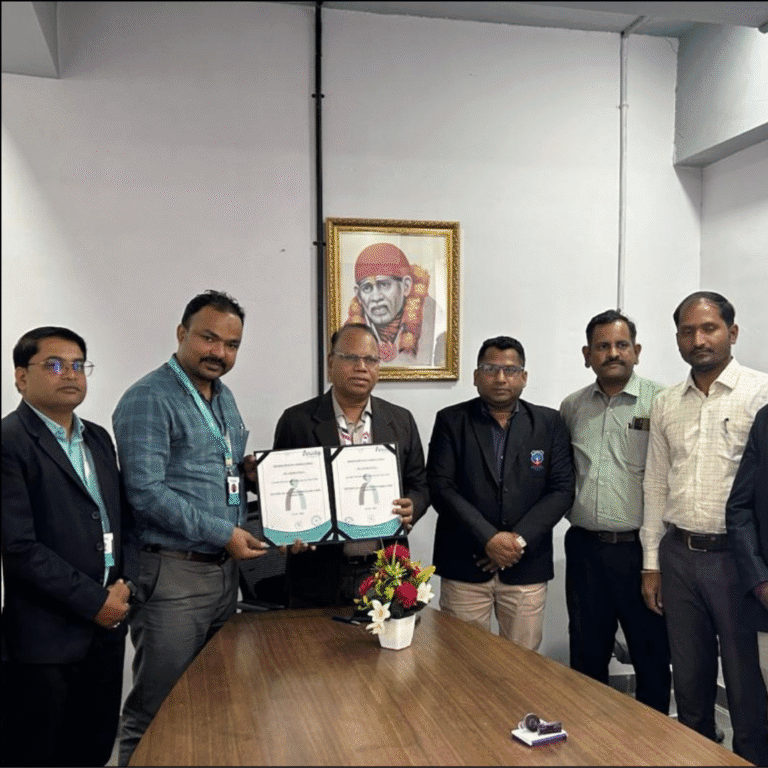
Anudip Foundation and Vidyavati Mukanlal Girls College have officially signed an MoU on 29 September under the EXL Project, marking a meaningful step towards strengthening opportunities for young women in the digital and technology space.
The MoU was exchanged by Mr. Ajay Singh, Regional Manager – Deeptech North, Anudip Foundation, and Dr. Rachana, Principal, Vidyavati Mukanlal Girls College.
Through this collaboration, students will gain access to industry-aligned technology training, practical deeptech skills, mentorship and career-focused learning, helping them prepare for opportunities in the digital workforce.
Together, we continue to build stronger pathways from skills to careers.

- Educational Institutions
- Uttar Pradesh
Gorakhpur University, Gorakhpur
Anudip Foundation has signed an MoU with Deen Dayal Upadhyaya Gorakhpur University, Gorakhpur - our first with a Uttar Pradesh State Government University — and we could not be more excited about what this means for the future of education in India.
Under this initiative, 8,000 educators will be trained in Artificial Intelligence using the Microsoft Learning Platform, because when teachers grow, students thrive.
The MoU was formally signed between our Vice President – Operations, Tanmay Mukherjee, and the Hon’ble Vice Chancellor, Prof. Poonam Tandon - a handshake that marks the beginning of something truly meaningful.
- Educational Institutions
- Madhya Pradesh
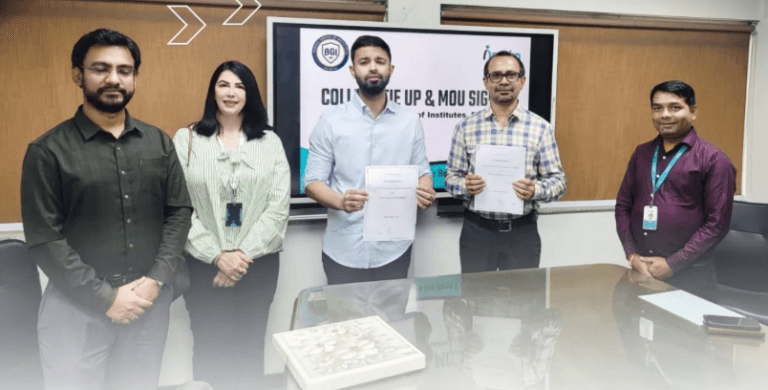
Bansal Group of Institutes (BGI)
Something meaningful is taking shape in Madhya Pradesh.
We have partnered with Bansal Group of Institutes (BGI) Bhopal, Oriental University (Indore) and Samrat Ashok Technological Institute (Vidisha) to bring skilling and career opportunities closer to students.
For us, it goes beyond partnerships - it is about equipping more young people with the right skills and enabling them to build independent, sustainable careers. Every step like this takes us closer to a stronger, more self-reliant India.
- Educational Institutions
- Maharashtra
Dr. D. Y. Patil Technical Campus
We are thrilled to share our recent successful MoU signing with Dr. D. Y. Patil Technical Campus.
This partnership is dedicated to empower youth by providing advanced tech education and industry-ready skills. With years of excellence and experience, the Technical Campus brings invaluable expertise to this collaboration. Together, we will offer students hands-on training in emerging technologies, preparing them to excel in a fast-changing digital world.
- Educational Institutions
- Delhi NCR
Accurate Institute of Management and Technology
Anudip Foundation and the Accurate Institute of Management and Technology have forged a strategic partnership to provide enhanced training and placement opportunities under the MSDF project. Signed on August 6, 2024, this Memorandum of Understanding (MoU) outlines a three-year collaboration aimed at equipping students with industry-relevant skills through customized training programs conducted on the Accurate campus. By aligning academic learning with industry needs, the initiative aims to boost employability for students in the Delhi NCR region.The signing ceremony was attended by Mr. Ajay Singh, Regional Manager (Anudip), Mr. Rohit Tripathi, Account Manager (Anudip), Mr. Yogesh Bhumia, Director (Accurate), and Mrs. Mukta, Head of Training and Placement (Accurate). This partnership promises to bridge the gap between education and employment, opening new career pathways for students.

- Educational Institutions
- Chhattisgarh
Anjaneya University
Anudip Foundation and Anjaneya University, Raipur took a significant step forward in shaping the future of technical education on August 16, 2024, by signing a Memorandum of Understanding (MoU). The collaboration, which involves the Accenture CSR Program, IBM, and Axis projects, aims to enhance student employability through industry-aligned training. The ceremony, held at the Anjaneya University campus, was attended by Vice Chancellor T. Raju and university dignitaries. The partnership will focus on creating customized training programs, providing internships, and offering placement opportunities, aligning academic learning with industry requirements.
- Educational Institutions
- Jharkhand
Jharkhand University of Technology (JUT)
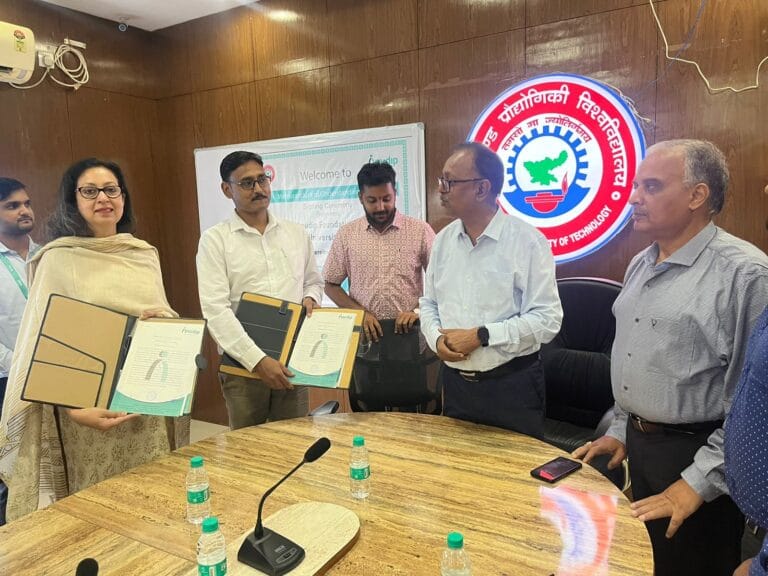
On September 10, 2024, Anudip Foundation and Jharkhand University of Technology (JUT) signed a Memorandum of Understanding (MoU) to revolutionize technical education. Led by Anudip CEO Ms. Monisha Banerjee, the delegation included Regional Manager Mr. Sanjeev Kumar and Cluster Manager Mr. Dharmbir Kumar Prasad, who engaged with JUT's leadership, including Vice Chancellor Dr. D.K. Singh. The focus of the partnership is implementing the IBM Skills Build program across JUT's 63 affiliated colleges. A key highlight was the proposal to establish an Academic Excellence Centre at JUT, bridging the gap between academic learning and employability in Jharkhand.
- Educational Institutions
- Madhya Pradesh
Takshshila Institute of Engineering and Technology
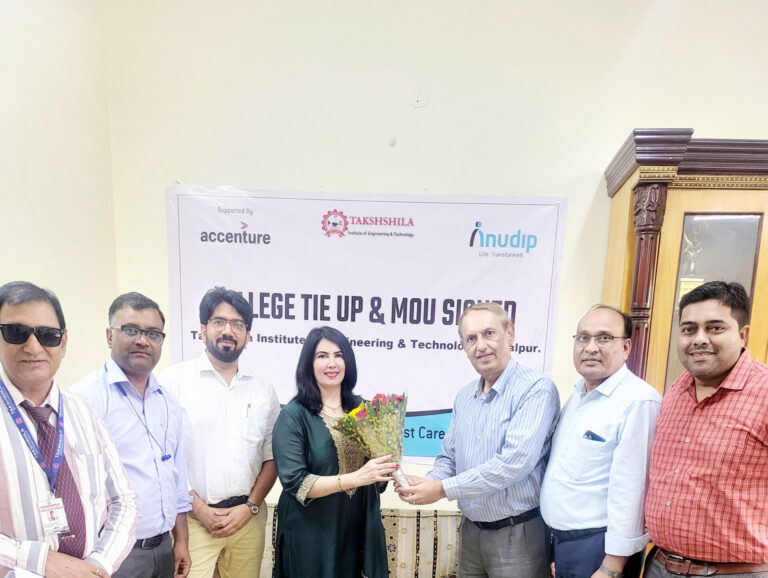
A new chapter of collaboration was initiated between Anudip Foundation and Takshshila Institute of Engineering and Technology, Jabalpur on August 6, 2024, with the signing of a Memorandum of Understanding (MoU). This partnership marks a commitment to enhancing the technical skills and employability of Takshshila’s students. The signing ceremony, held at the Takshshila campus, was attended by Chairman Mr. Vijay Gupta, Group Director Mr. I.K. Khanna, Principal Dr. Sudhir Bhatt, and faculty members. Through this collaboration, Anudip will implement industry-driven training programs, foster internship and placement opportunities, and align the curriculum with industry needs, ultimately bridging the gap between education and real-world employment.
- Educational Institutions
- Madhya Pradesh
SATI Vidisha
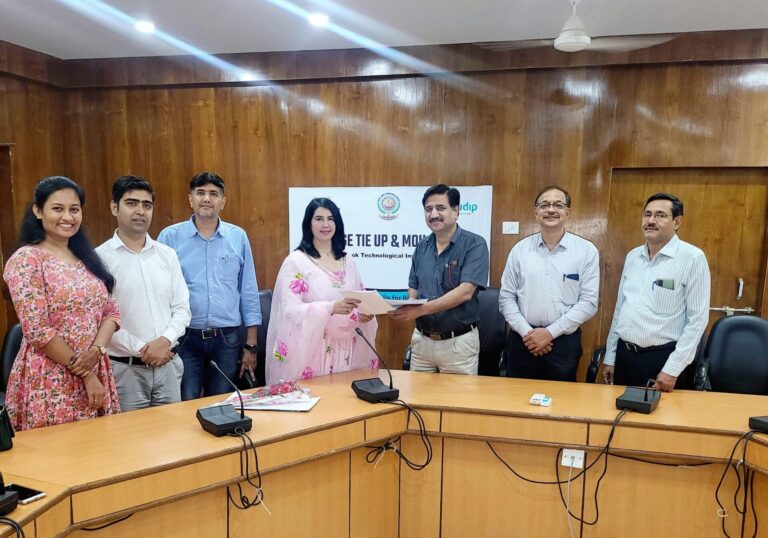
On August 6, 2024, a significant partnership was formed between Anudip Foundation and SATI Vidisha with the signing of a Memorandum of Understanding (MoU). This collaboration aims to provide comprehensive technical training and placement support to SATI Vidisha students. The ceremony, held at the SATI Vidisha campus, was graced by Director Dr. Y.K. Jain and attended by faculty members. The partnership will focus on industry-academia collaboration, offering joint certification programs, internships, and industry expert-led training. Anudip Foundation will work with SATI Vidisha to align the curriculum with industry standards and identify placement opportunities for students.
- Social & Ecosystem Partners
Hiring for the AI Era: The AI Skills Employers Want and Who Builds Them
- By Shubhodeb Bhattacharya
In 2020, during the fifth semester of her BCA programme at a government college in Telangana's Rangareddy district, Ayesha Samereen reached an uncomfortable conclusion: a degree alone would not get her a job. The daughter of a driver, she had earned a free seat on merit because a private college was beyond her family's means.
She enrolled in a placement-focused skilling course run at her college. Out of 86 students in her batch, she was selected for a role before completing her final semester. What began as an accounting course has since grown into a career as a software developer, building applications.
The challenge she faced has only sharpened since. As AI reshapes entry-level work, employers are looking past qualifications, and even past familiarity with AI tools, towards something harder to certify: the judgement to use those tools well and the capacity to keep learning as they change.
This blog examines the AI skills employers want in India, why no single institution can build them alone and how skilling partnerships between government, industry, educational institutions, social organisations and donors can close this gap.
The AI skills employers want from India's freshers
So what does that judgement involve? Global employer surveys, including the World Economic Forum's Future of Jobs Report 2025, rank AI and big data among the fastest-growing skills, while placing analytical thinking at the top of the core skills employers seek.
For entry-level hiring in India, that combination translates into the five practical capabilities described below:
Verification and judgement: Recognising when an AI output is inaccurate, incomplete or inappropriate, and checking it against a reliable source
Clear problem framing: Instructing an AI tool well is an exercise in communication, requiring a defined task, context and expected result
Responsible data handling: Understanding what information should not be shared with external tools and why
Adaptability: Learning new tools quickly as workflows change, rather than depending on a single platform
Human skills that AI amplifies: Empathy, collaboration and the ability to explain a decision, all of which grow in value as routine tasks are automated
Taken together, these are better described as 21st-century skills than as narrowly technical ones. They overlap closely with what recruiters already call employability skills, which is why AI readiness is difficult to demonstrate through a certificate alone.
Why no single actor can close the gap
If a certificate cannot prove these skills, they have to be built before a young person applies for a job. A hiring process can spot who lacks them, but it cannot develop them, and by the interview stage the time to build them has largely passed.
Building these skills also takes more than one institution, because each one controls only part of a young person's journey into work:
Employers know what the job needs, but they do not run classrooms
Government shapes the education system and funds programmes, but it needs employers' input to keep them relevant
Colleges and training institutions run classrooms, but they do not always know what employers need
Community organisations can reach young people from low-income and first-generation families, but they need links to employers to turn training into jobs
Donors fund training for the young people who are hardest to reach, but they rely on the other partners to turn that funding into effective youth skilling routes
When any one of these works alone, a gap appears somewhere along that journey.
This is why youth skilling partnerships matter. In a partnership, each group agrees on what it will contribute, and all of them work towards the same goal: young people who are ready for work and go on to find jobs. The next section looks at each partner's role in turn.
What each partner holds in a youth skilling partnership
A well-structured public private partnership in skilling gives each participant a defined role.
Five groups carry the most weight:
Corporates
Employers hold the clearest view of what entry-level roles demand. They can define hiring criteria, share how AI is changing daily tasks, review curricula and open internship and recruitment pathways.
Government and policymakers
Public bodies can integrate AI literacy into existing education and skilling systems, set assessment standards that recognise judgement and responsible use rather than tool familiarity alone, and extend programmes to semi-urban and rural areas that private initiatives rarely reach at scale.
Educational institutions
Schools, colleges and polytechnics, particularly in Tier 2 and Tier 3 cities, are where most young people first encounter structured learning. Embedding AI literacy across disciplines rather than as a standalone module and equipping faculty to teach through practice are the changes with the widest reach.
Social organisations
NGOs and community institutions provide what formal systems often lack: trust and access. They reach first-generation learners, address family hesitation about training, and sustain engagement through to employment.
Donors
Foundations, CSR funders and individual donors make it possible to reach learners the market alone rarely serves: first-generation learners, women entering work for the first time, differently-abled youth, and students in non-metro schools and colleges. Beyond funding, they help set measurable outcomes and stay engaged through reporting and site visits.
What building judgement looks like in a classroom
All five partners matter, but the skills themselves take shape in one place: the classroom, where these partnerships finally reach the learner. Judgement is built there through practice rather than instruction. In classrooms designed for this, the facilitator presents a real workplace problem, learners work through it with peers and AI tools, and the facilitator then steps back so learners reach and defend their own answers. Learners are expected to test every AI response against evidence, and mock interviews and workplace visits then help them carry that judgement into their first job.
This is what every day looks like at the skilling centres of Anudip Foundation. Since 2007, that work has added up to:
7,30,000+ young people trained, over half of them women
90+ training centres across 22 Indian states
400+ recruitment partners
A 70% placement rate, with over 100 job drives held
each year
By building learning agility, Anudip prepares learners for today’s jobs and for those still to come.
Behind those numbers are journeys like Ayesha’s. She joined the skilling course on her college campus in 2020 with a degree in progress but no clear route to a job. The biggest change, she says, was in how she saw herself: the training taught her “to see myself as employable.” That confidence has since grown into the learning agility described above: years on, she still upskills roughly every six months because, as she puts it, “standing still is its own kind of quitting.”
From one learner to a pipeline
That is exactly the journey Ayesha has made. Today, she works as a developer at a multinational IT company. A government college gave her a seat on merit, a skilling program delivered on that campus built her readiness and an employer recognised it.
Her story is one example; repeating it for thousands of young people depends on these contributions being coordinated rather than left to chance. Anudip Foundation formalises this through alliances with corporates, government bodies, educational institutions and social organisations, built around curricula co-designed with employers, defined agreements, delivery and outcome tracking.
Employers seeking entry-level candidates prepared to work alongside AI can find candidate pools and hiring formats on the recruiters page. Donors can find the causes this work supports and how funded projects are structured on the donors page.
The question for India's skilling ecosystem is no longer whether freshers need AI skills. It is whether the institutions that shape them will build those skills together and early enough to matter.
Build the future-ready workforce with us
Ayesha’s journey took more than one partner, and so will the next young person’s. Tell us where you fit, and our team will help you take the first step together.
Start the conversation →
Frequently asked questions
1. What AI skills do employers want in India from freshers?
Beyond basic familiarity with AI tools, employers look for the ability to verify AI outputs, frame problems clearly, handle data responsibly, adapt to new tools, and apply human skills such as communication and collaboration.
2. Do freshers need to know coding to be AI-ready?
Not for most entry-level roles. Many positions in customer service, operations and business support require the judgement to use AI tools well rather than the ability to build them. Technical roles will, of course, expect programming knowledge in addition.
3. What is a public private partnership in skilling?
It is a structured collaboration in which government bodies, private employers and often educational institutions, community organisations and donors share responsibility for training young people and connecting them to employment, with each partner contributing defined resources or roles.
4. How can employers take part in youth skilling in India?
Employers can share role requirements, contribute to curriculum review, offer internships or industry visits, participate in placement drives, and provide feedback on how new hires perform.
5. How can donors support youth skilling in India?
Donors can fund programmes for groups the job market rarely reaches on its own, such as first-generation learners, women from marginalised communities, differently-abled youth and students in non-metro institutions. They can then stay engaged through agreed milestones, regular reporting and site visits.
6. Why are 21st-century skills important for employability?
As AI takes on routine tasks, the work left to people relies more heavily on critical thinking, adaptability, communication and problem-solving. These skills determine how well a new employee can learn, adjust and contribute as their role changes.
- Government partnerships
DVET Maharashtra
- Government partnerships
ITIs
- Government partnerships
TNSDC
- Government partnerships
PBSSD
- Government partnerships
AICTE
- Government partnerships
Skill India
- Government partnerships
MeitY
- Government partnerships
NCS
- Government partnerships
Uttar Pradesh and Meghalaya State Governments

- Social & Ecosystem Partners
AVPN

- Social & Ecosystem Partners
Unicef YuWaah

- Social & Ecosystem Partners
BRAC

- Social & Ecosystem Partners
Jhumki Basu Foundation
- Social & Ecosystem Partners
GIZ
- Social & Ecosystem Partners
Michael and Susan Dell Foundation
Build an alliance with Anudip
Anudip works with any corporate, government body, educational institution, or social organization ready to co-own an outcome inside its own market or community. Talk to us to start a conversation about what an alliance with your organization could look like.