– By Shubhodeb Bhattacharya
Picture a 21-year-old commerce graduate. She is the first in her family to apply for an office job. She knows her subject well. Yet one question makes her freeze: “Tell me about yourself.”
Now picture a team lead in Bengaluru on her company’s volunteering day. She plants saplings, poses for a photo and is back at her desk by four. It felt good. By Monday, it felt distant.
Most CSR volunteering activities look like hers: tree planting, blood donation or a beach clean-up. They matter. But they rarely use the skills employees bring to work. Those skills are exactly what the graduate needs.
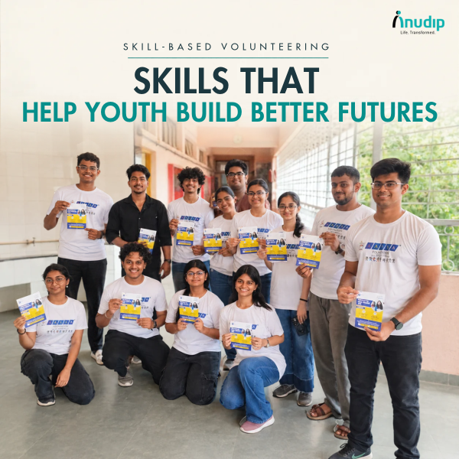
Skill-based volunteering brings the two together. When the team lead sits on a mock interview panel, the graduate gets honest feedback and a real head start. The team lead discovers she has more to offer than she thought. This guide explains what skill-based volunteering is, which formats work, how to set it up and how to measure impact. It draws on how Anudip Foundation runs volunteering with its corporate partners.
What Is Skill Based Volunteering?
Skill based volunteering means employees share their professional expertise with people who need it. Volunteers offer what they do every day: interviewing, reviewing CVs, explaining tools or mentoring.
For young job seekers, this support is often missing. Many come from families where no one has worked in a corporate office. As India works on solving unemployment among its youth, that missing guidance can decide who gets hired.
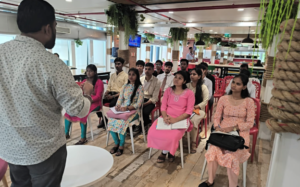
Read more: Bridging Opportunity Gaps Through 21st Century Skills: Creating Lasting Change
The Long-Term Benefits of Skill Based Volunteering for Employees and Learners
A one-day activity ends by evening. A skill passed on keeps working. It shows up in every interview a learner faces and every job they hold.
For the Learner
The graduate carries her mentor’s feedback into her next interview, and the one after. A professional’s insight fills a gap no textbook can. Her confidence grows with each session. The progress is hers.
For the Employee
Explaining your work to a first-time job seeker sharpens your communication. It builds patience. It quietly develops the coaching skills every future manager needs.
For the Company
The strongest employee volunteering programs are built on repeat engagement, not one-off events. Volunteers grow with every session, and so do learners. For HR and CSR teams looking for corporate social responsibility ideas with measurable outcomes, this model delivers.
Volunteering Opportunities in India That Build Job-Ready Youth
At Anudip Foundation, every volunteering format is shaped around what learners need to get hired. Each works as a single session or as part of longer employee mentoring programs in India.
- Mock-interview panels: Employees play interviewer and give honest, specific feedback.
- Mentoring: Ongoing one-on-one or small-group guidance through training and placement.
- Workplace visits: Learners visit your office to experience workplace culture and etiquette firsthand.
- Career talks: Professionals share how their industry works and what it looks for in new hires.
- CV reviews: Volunteers help learners present their skills clearly to recruiters.
- AI-literacy and technical sessions: Employees show how professionals use AI tools at work, alongside sessions on Excel, Java or cloud fundamentals.
How to Set Up a Skill Based Volunteering Program
A good setup fits around employees’ working lives. It also shows clear results.
Here are the steps:
Choose Virtual or In-Person Volunteering
Virtual volunteering for NGOs lets an employee in one city mentor learners in another. Sessions fit into a lunch break or a weekend morning. In-person sessions and workplace visits build a deeper connection. Learners see a professional environment for themselves. Many teams start online and add a visit once relationships form.
Agree on a Realistic Time Commitment
Fix a number of sessions each quarter upfront. Volunteering then fits around deadlines rather than competing with them. Where possible, pair the same volunteers with the same learner group. Continuity turns sessions into mentorship.
Measure What Changes
Start with participation: volunteer hours and sessions held. Then track outcomes. Look at learner feedback after each session, improvement across mock interviews and confidence before job drives. Ask volunteers what they gained too. Their growth is part of the return.
Seeing the Work Firsthand
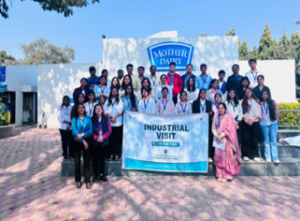
Some of the most lasting volunteer journeys begin with a single visit. A team from Accenture has visited Anudip centres to meet learners. Donors have visited our centre in Diamond Harbour to see the work for themselves. Learners, in turn, visit workplaces to see professional life up close. A few volunteering opportunities in India let you see your impact this directly.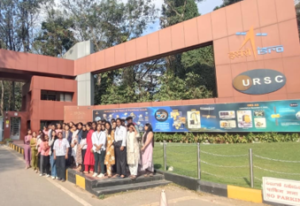
For employees who want to volunteer with an NGO in India, the path is simple: pick a skill you use every day and offer it to someone about to start their career.
Read more: Bridging Opportunity Gaps Through 21st Century Skills: Creating Lasting Change
Summing Up
The graduate’s story began with a question that made her freeze. Over a few sessions, she rehearsed her answers, heard honest feedback and tried again. Now she walks into her first interview ready. The confidence is hers. She earned it.
The team lead’s story began with a volunteering day that asked for her time but not her skills. It ends where her skills mattered most. Along the way, she grew too. She became a clearer communicator, a more patient listener and a better leader.
That is the real promise of skill-based volunteering. Two careers move forward together.
Frequently Asked Questions
1. What is skill-based volunteering?
It is volunteering in which employees use their professional expertise, such as interviewing, mentoring or technical knowledge, to help others. For young job seekers, it builds the job-ready skills that classrooms often miss.
2. What are examples of skill-based volunteering for employees?
Common formats include mock-interview panels, one-on-one mentoring, CV reviews, career talks, workplace visits and AI-literacy or technical sessions.
3. How much time does it take?
A single session takes about an hour. Most companies fix a set number of sessions per quarter so volunteering fits around work.
4. Can employees volunteer remotely?
Yes. Mentoring, CV reviews, career talks and mock interviews all work well online. In-person visits can be added later.
5. How can companies measure the impact of volunteering?
Track volunteer hours and sessions held. Then measure outcomes: learner feedback, progress across mock interviews and what volunteers report gaining.