– By Shubhodeb Bhattacharya
You have completed your education. You hold a certificate. Yet the right job has not arrived. You are not alone. Every year, lakhs of young people face this same moment. A degree takes you to the starting line. Skills help you finish the race.
Nearly two-thirds of India lives in rural areas. Yet most quality training and jobs remain in cities. Skill training for rural youth closes this distance.
This guide explains which skills to learn, which options exist, and how to choose well.
Where You Stand Today
Your education gave you knowledge. It rarely gave you practice. It seldom offered career guidance. Employers now look for more. They seek digital literacy, problem-solving and clear communication. They value sound decision-making. Above all, they want people who adapt as AI changes the world of work.
Many learners face one more barrier: self-doubt. Their families often share it. This doubt is natural. It is also beatable.
Anudip Foundation, a skilling NGO spread across 22 indian states, has trained over 730,000 youth in over 19 years. Of them, 54% come from rural areas. Most held degrees but had little hands-on exposure. Their starting point looked much like yours.
Read more: Adaptability: The employability skill every student needs in the AI Age
Why Skill Training for Rural Youth Matters
Every course promises a future. The right one helps you build it.
It works in four ways:
- It links education to employment. You turn theory into skills that employers use daily.
- It builds confidence. Self-belief grows with every task you complete.
- It opens several paths. A city job, remote work or your own venture becomes realistic. Anudip’s 70% placement rate and 83% six-month retention show these paths can last.
- It lifts your household. Beneficiaries of Anudip have seen a 240% increase in household income.
When a course offers all six, you are not just learning a skill. You are building a career that can grow with you.
Skills Worth Learning: A Practical Guide
You need no prior experience or any expensive setup. You can start where you are.
Digital foundations
Basic IT skills training for beginners covers computers, typing, email and spreadsheets. It also teaches safe internet use. These skills lead to data entry, office support and back-office roles.
AI-enabled work
You learn to use AI tools for writing, research and customer support. These tools now sit at the centre of most workplaces.
Green energy
Solar installation, maintenance and e-mobility servicing are growing fields. They offer work close to home.
Digital business
Digital marketing, social media management and online selling help you earn on your own terms.
Workplace readiness
Spoken English, interview preparation and workplace etiquette matter as much as technical skills.
Technology will keep changing. That is why adaptability is the employability skill every student needs in the AI age. The ability to learn, unlearn and relearn will outlast any single tool.
Your Options: Government Schemes and NGO Programmes
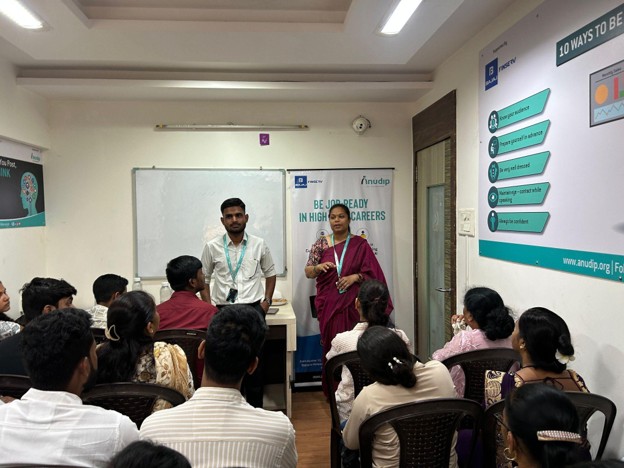
Several government schemes support skilling across India. They offer short-term courses, certification and placement links. Many are free. They reach millions of learners.
Gaps still remain. Centres may be far from your village. Batch timings may clash with family or other responsibilities. Follow-up after training is often limited. Families rarely receive counselling.
NGOs for rural youth and livelihood skill training work within these gaps. They bring skilling sessions into communities and counsel first-time learners and their families. Also, they stay with learners after training ends.
You do not have to choose one route. Many learners benefit from both.
Read more: Do I have the job-ready skills? The real question students must ask themselves right now
How to Choose the Right Training
Not every course will move your career forward. Check for these six elements:
- Hands-on practice: You learn by exploring, applying and solving real problems.
- Updated curriculum: Content covers AI tools and emerging fields such as green energy.
- Soft skills: Communication and interview preparation are part of the course.
- Easy access: The centre is close to home. Timings are flexible.
- Career support: Guidance covers jobs, internships and self-employment.
- Credibility: Trained facilitators, proper assessment and recognised certification are in place.
Your Mentor on the Journey: How Anudip Supports You
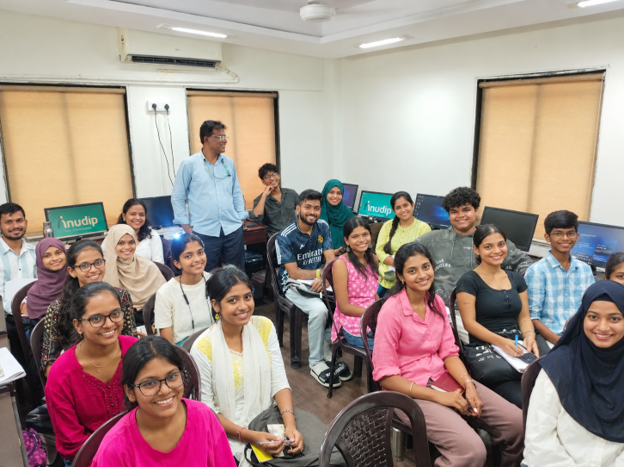
At Anudip, your trainer does not simply lecture. Your trainer is a facilitator and a mentor.
You ask questions, explore ideas and solve real workplace problems. Your facilitator guides you through each step. When you struggle, they help you find the answer yourself. This is how lasting confidence is built.
Anudip works across 22 Indian states. Over half of its learners are women. Its centres are rooted in local communities.
Its pathways extend to AI-enabled work and green energy, including solar and e-mobility. The goal is not one job. The goal is building the ability to keep growing within an evolving job market.
Choosing Your Own Path
Not every journey ends in an office. Some learners prefer remote work or freelancing. Others want to work within their own communities.
Training for rural youth for self employment prepares you for this choice. You may offer digital services, run a small online business or even provide services related to green skills in your district.
Whichever path you choose, the starting point is the same: a skill you can rely on. Before you decide, ask yourself an honest question: do you have the job-ready skills employers need right now?
Conclusion: Your Skills, Your Independence
You began with a degree and some doubt. With the right training, you gain practical skills. A good mentor helps you gain confidence. With both, you gain choices.
Financial independence does not arrive overnight. It grows step by step. You learn a tool properly, become job-ready and evntually begin to earn with confidence.
Skill training for rural youth makes each of these steps possible. Choose training that offers hands-on practice and continued support. Your independence starts with your first lesson.
Frequently Asked Questions
- Can skill training really help me start my own work?
Of course! Getting trained in job-ready skills can help you offer services, manage a small business or find freelance work from your own town or home. - Is training offered by an NGO as valuable as paid training?
Yes, it is, provided it has a structured and updated curriculum, trained facilitators and proper assessment or certification. Make sure to check these details before enrolling. - Can I learn while studying or working?
Surely! Many Programs offer flexible batch timings so you can build skills alongside your current commitments.